AI safety labs are starting to merge. OpenAI, Anthropic, DeepMind — the companies that once competed fiercely are now working together on safety standards. In the AI industry, convergence at the safety level is what happens when everyone realizes the technology is going faster than anyone’s ability to govern it.
The safety labs aren’t merging for business reasons. They’re merging for existential reasons. Each company, individually, is pushing at the edge of what we know about AI safety. Together, they might be able to build some guardrails worth trusting.
Why Safety Labs Merge Now
The timeline of AI progress is outpacing the timeline of safety research by a significant margin. Every year, models get more capable. Every year, there are fewer hours for safety researchers to understand the risks. The convergence isn’t about collaboration. It’s about survival.
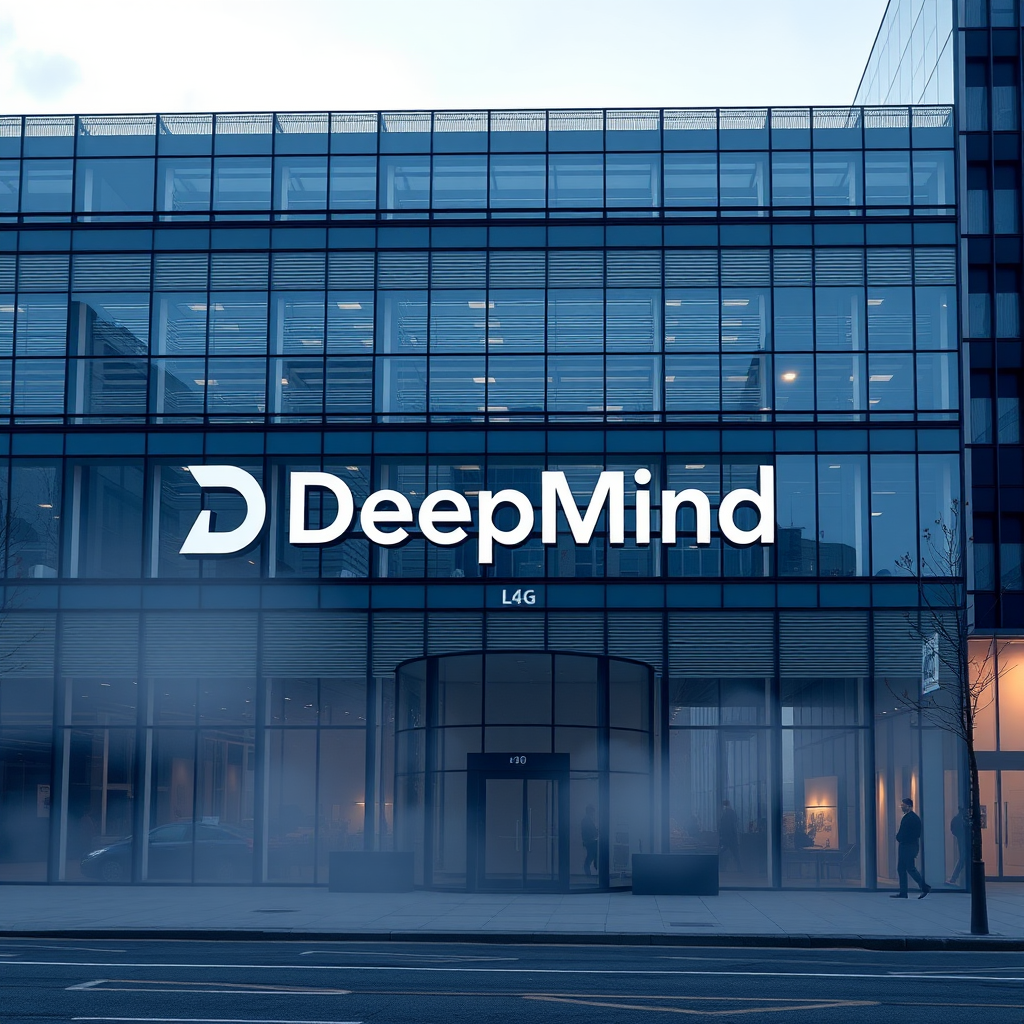
OpenAI and Anthropic have both publicly acknowledged that their models are becoming harder to control. DeepMind has published extensive research on AI alignment. The convergence comes naturally when every major player starts from the same premise: uncontrolled AI is too dangerous to ignore.
The Limits of Cooperation
Cooperation on safety research is real, but competitive dynamics haven’t changed. Each company still wants the first to build AGI. The convergence is limited to safety papers and shared standards. The real competition — proprietary models, enterprise AI, and talent acquisition — is fiercer than ever.
What This Means
AI safety is advancing. But it’s advancing because all three companies are terrified of what happens if their model goes wrong. That’s not a sustainable safety strategy. It’s a reactive one that may be too late.