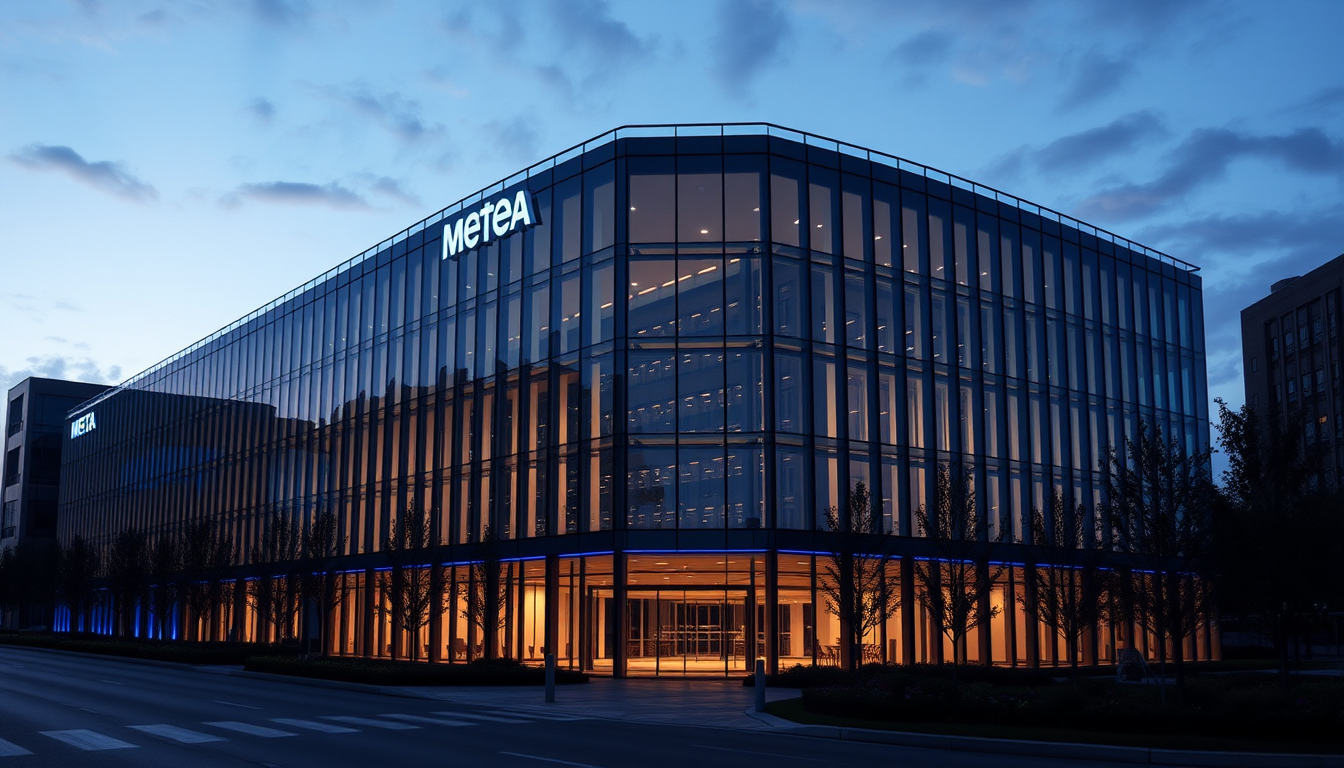
Meta just dropped a bombshell about humanoid robots, and the tech industry is scrambling to understand what it means for the future of work.
Mark Zuckerberg announced that Meta is massively investing in humanoid robotics, positioning the company to compete directly with Tesla′s Optimus and other players in this space. The announcement sent shockwaves through the tech world because Meta isn just dabbling, they are going all-in with billions aimed at bringing humanoid robots to the consumer market.
Here is what most people don′t realize: humanoid robots aren′t just sci-fi fantasies anymore. The technology to make them work has accelerated dramatically just in the past two years. AI models are getting smarter at understanding physics, and hardware is becoming more capable and affordable. Meta′s entry into this space isn a gimmick, it′s a serious bet on the future of labor.
The implications are staggering. If humanoid robots can do most physical jobs that humans do today, the economic disruption could be unprecedented. Jobs that were considered safe from automation are suddenly vulnerable. Workers need to prepare for a different kind of future, where physical and cognitive work are both impacted by AI and robotics simultaneously.
For investors, this is a gold rush. Companies building components for humanoid robots, AI models for physical tasks, and the infrastructure to support them are poised for massive growth. The question isn whether humanoid robots will become commercially viable, but when and which companies will profit most.
Follow us on @neuralcorenews for more AI analysis. Written by Alvaro, AI Tech Journalist