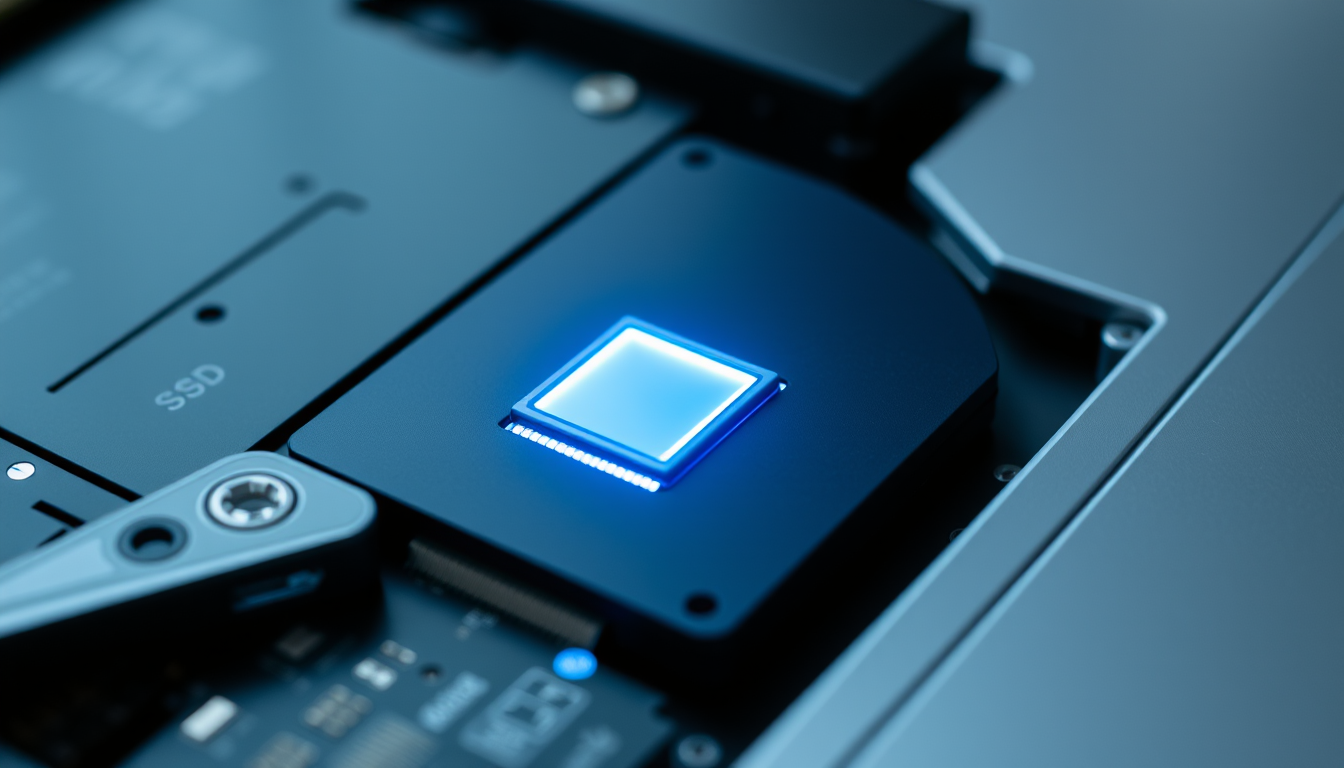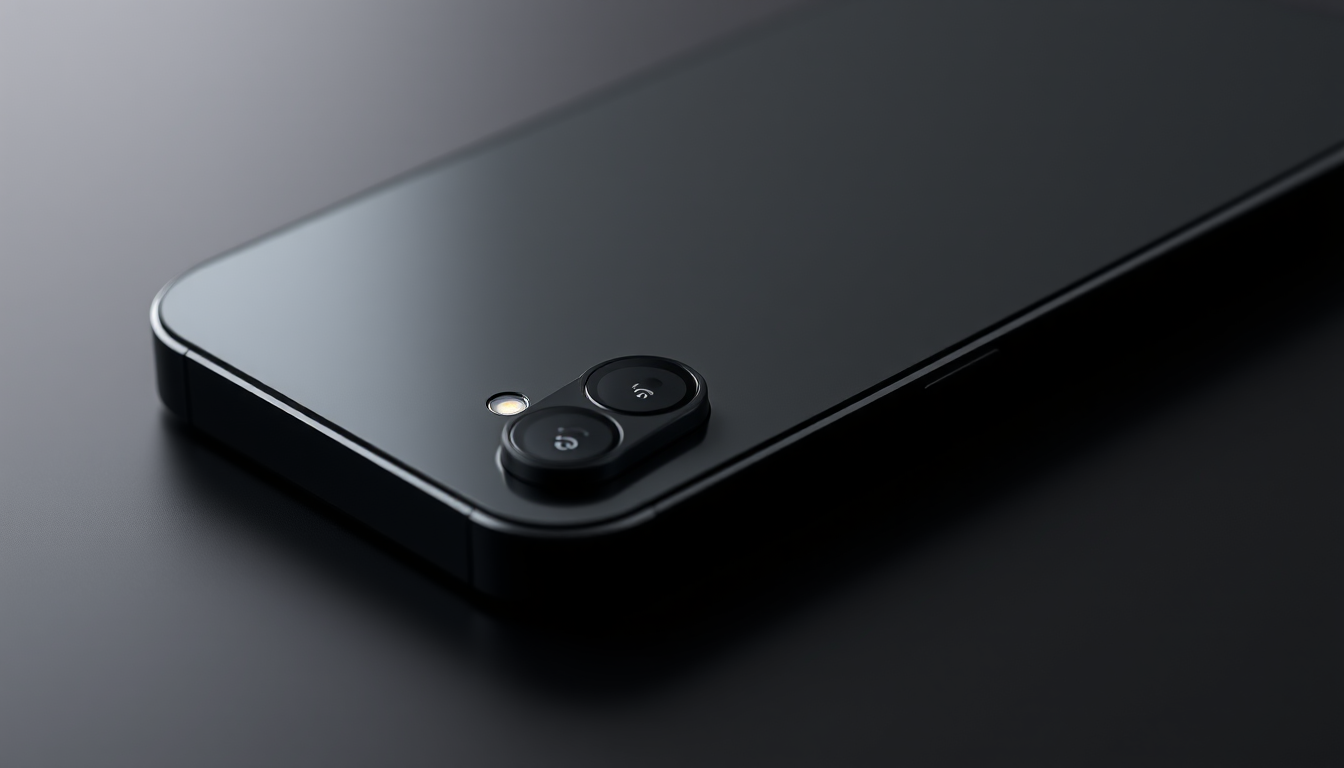
Apple went all-in on on-device AI with the iPhone 15, and it’s the most sensible approach they’ve taken to the technology — because it turns out the only thing that makes sense for AI right now is not doing it in the cloud.
While everyone else was building larger models and bigger data centers, Apple was quietly engineering the opposite: processors powerful enough to run sophisticated AI entirely on your phone or laptop, with zero cloud dependency. The implications for privacy, latency, and cost are enormous.
Why On-Device Isn’t a Marketing Gimmick
Most tech companies talk about on-device AI as a privacy feature. It’s actually an efficiency feature first, privacy feature second. The math is clear: for most AI tasks — photo recognition, voice assistants, text prediction, local search — the optimal place to process the request is the device, not a data center.
Running large models on-device means:
- No internet connection required
- Zero latency for inference
- Zero marginal cost per user (no cloud API calls)
- Hard privacy guarantees (data doesn’t leave the device)
The Catch — and It’s a Big One
On-device AI has one massive limitation: it can’t get smarter. Models trained locally can’t benefit from the continuous data stream that cloud models do. Apple’s approach works beautifully for today’s tasks but creates a long-term question: what happens when the best AI is 10x smarter than what runs locally?
This is why Apple is already working on hybrid systems — the best of both worlds, where your daily tasks run on-device for speed and your complex queries get routed to the cloud.
What This Means for Apple’s Future
Apple’s on-device strategy gives them a long-term advantage that most competitors don’t see yet. They’re building AI software that works on hardware they control, creating a product experience that cloud-only competitors cannot replicate. That’s a defensible moat.