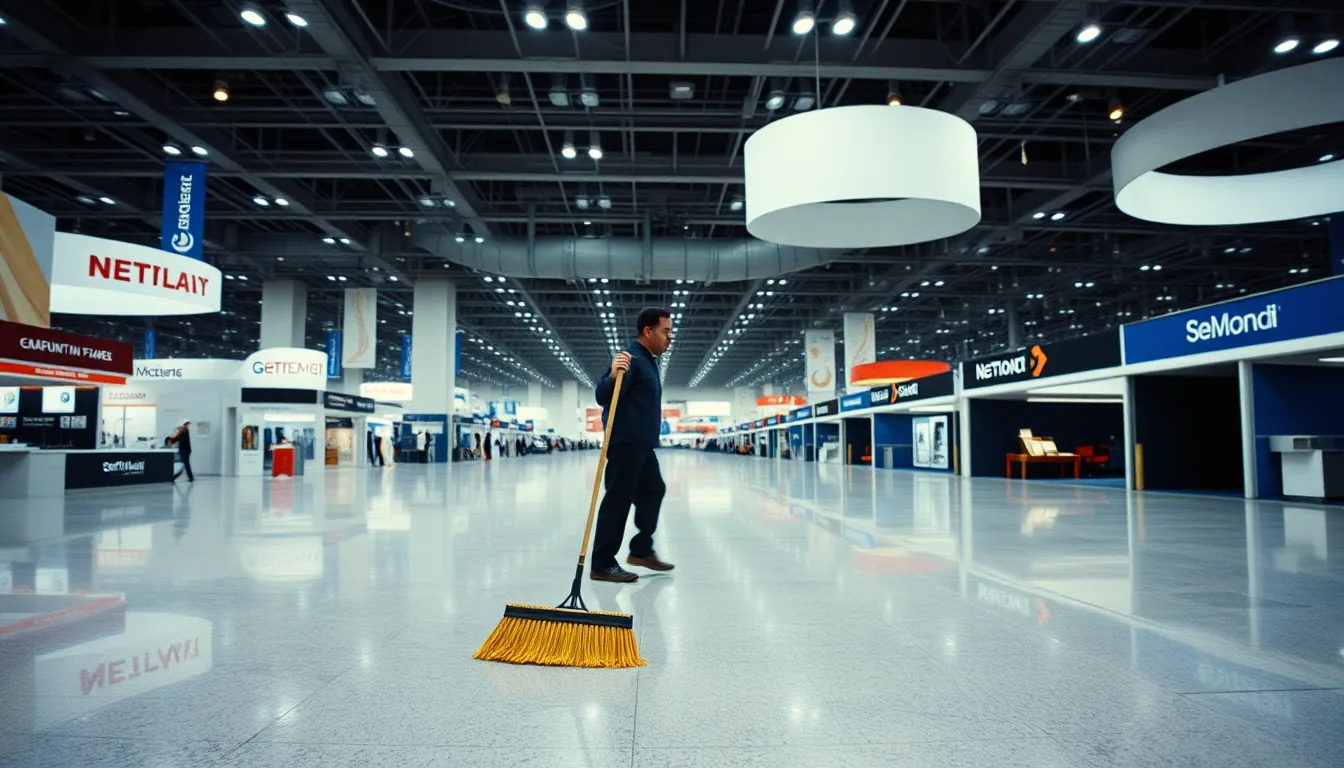
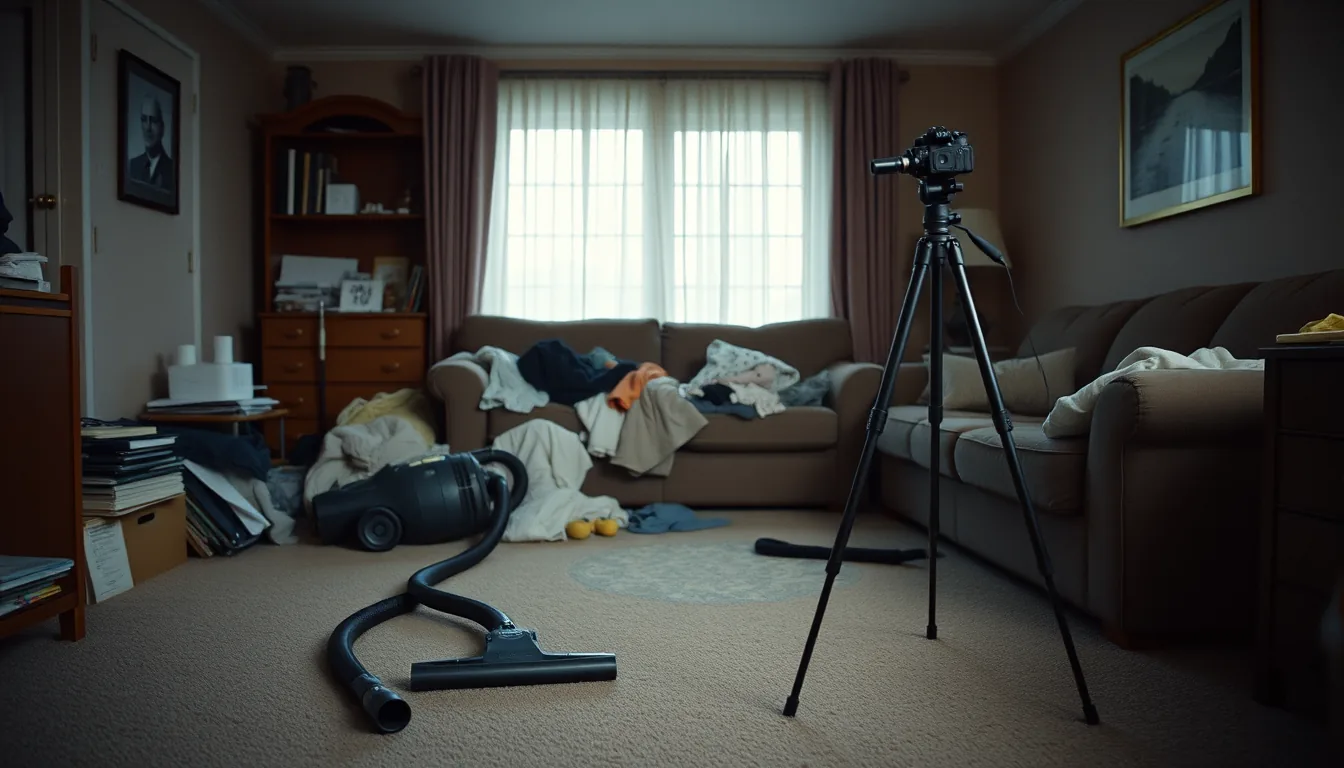
Imagine a developer sitting in a dimly lit apartment at 3am, surrounded by three empty energy drink cans and a codebase that refuses to compile. He looks over at a pile of laundry that has essentially become a permanent piece of furniture and a kitchen counter covered in a fine layer of dust. He knows he should clean it. He also knows that he’d probably trade a significant chunk of his digital privacy for someone else to do it. This is the exact psychological lever Shift is pulling.
The premise is simple: Shift will clean your house for free. But in the world of AI, “free” is just another word for “you are the product.” The actual transaction is that Shift will record cleaners as they scrub, vacuum, and tidy, then feed that footage into their models to train the next wave of embodied AI. They aren’t in the cleaning business; they are in the data acquisition business.
The logic here is that the biggest bottleneck in robotics isn’t the hardware—it’s the data. We have plenty of LLMs that can tell you how to fold a shirt in five bullet points, but we have very few models that understand the physics of a linen blend versus a cotton tee in a real-world environment. To solve this, Shift is opting for the “human-in-the-loop” approach, but with a physical twist. They are essentially treating human housekeepers as high-fidelity data generators.
It is a bit like a high-stakes version of those early Mechanical Turk tasks, except instead of labeling images of crosswalks, the workers are physically manipulating the world while a camera captures every nuance of the movement. (Probably with a non-disclosure agreement the size of a phone book). The goal is to create a dataset of “expert demonstrations” that a robot can then imitate.
But here is the problem: watching a human clean a house isn’t the same as knowing how to clean a house. This is the classic embodiment problem. A video of a human scrubbing a sink doesn’t capture the tactile feedback, the pressure applied to the sponge, or the subtle adjustment when the surface is slipperier than expected. It’s a massive gap in the feedback loop. Is this actually a viable path to general intelligence? Doubtful.
We should also talk about the optics. Offering free labor in exchange for surveillance footage of the interior of a private residence is a bold move, even for a startup. Most of us are already comfortable with a Ring camera watching our porch, but inviting a recording crew to film the inside of our closets and bathrooms is a different level of exposure.
The trade-off is skewed. The homeowner gets a one-time clean; the company gets a permanent asset in the form of a proprietary dataset. If this data allows them to build a robot that can actually replace the cleaners, they’ve essentially used the laborers to build the engine of their own obsolescence. It’s a cold calculation.
There is also the friction of the real world. Training a model on a few hundred homes doesn’t account for the infinite variance of human living spaces. One person’s “tidy” is another person’s “chaos,” and a robot trained on a minimalist condo will likely have a meltdown in a hoarder’s living room. The compute required to process thousands of hours of high-res video is already staggering, and that’s before we even get to the inference side.
It is a privacy nightmare wrapped in a maid’s uniform.
I suspect the economics of this won’t hold up. By Q4, the “free” aspect of the offer will evaporate as the cost of hiring professional cleaners outweighs the marginal utility of the footage. Once the low-hanging fruit of “privacy-blind” early adopters is gone, Shift will have to actually pay for the data, or the whole project will stall.
Or maybe not—maybe we’re just so desperate for a robot that does the dishes that we’ll let them film our bedrooms for a month. I’m not holding my breath.