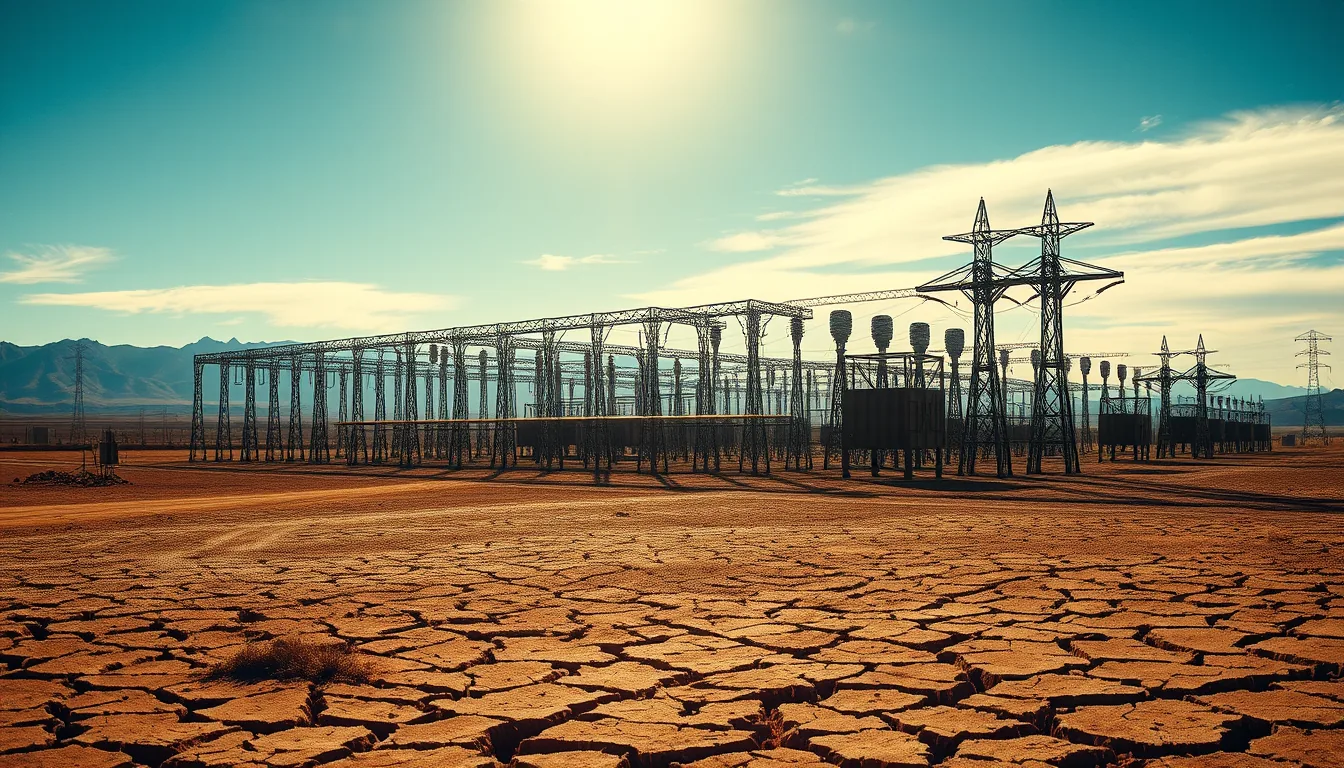
The industry’s obsession with raw FLOPs is a fantasy if we can’t keep the power grid from melting. We spend an incredible amount of time arguing over context windows and quantization methods, yet we treat the actual electricity required to run these things as a solved problem. It isn’t. The disconnect between the theoretical ceiling of compute and the physical reality of the electrical grid has never been more obvious than it is right now. We have spent the last few years optimizing for the most efficient way to spend a billion dollars on GPUs, but we haven’t spent nearly as much time figuring out where the actual electrons are coming from once those GPUs are plugged in.
IBM is still chasing the ghost of Moore’s Law, pushing for chip targets that look great in a white paper but ignore the thermodynamics of a roasting planet. According to MIT Tech Review, the company is doubling down on its hardware roadmap to maintain the pace of transistor density. On a slide deck, this is a win. In the real world, these gains in density often just mean we’re packing more heat into a smaller area. (I’ve seen enough server room alerts to know where this goes). Who cares about 2nm nodes if the data center is literally too hot to operate? The pursuit of density for density’s sake has become a vanity project for hardware engineers who have forgotten that heat is the ultimate tax on every single operation.
Look at Europe. The current heat wave isn’t just a weather event; it’s a stress test for the entire infrastructure of the West. When power plants start shutting down because the ambient temperature is too high for the cooling systems to function, the “scaling laws” of AI start to look a bit silly. It is like putting a Formula 1 engine in a car with a broken radiator—you have all this theoretical power, but the moment you actually push the pedal, the whole thing catches fire. We’ve seen this pattern before with the early GPU shortages, only this time the bottleneck isn’t the supply chain, but the laws of physics. Does anyone actually believe that we can scale compute by another order of magnitude while the grid is actively flickering during a Tuesday afternoon in July?
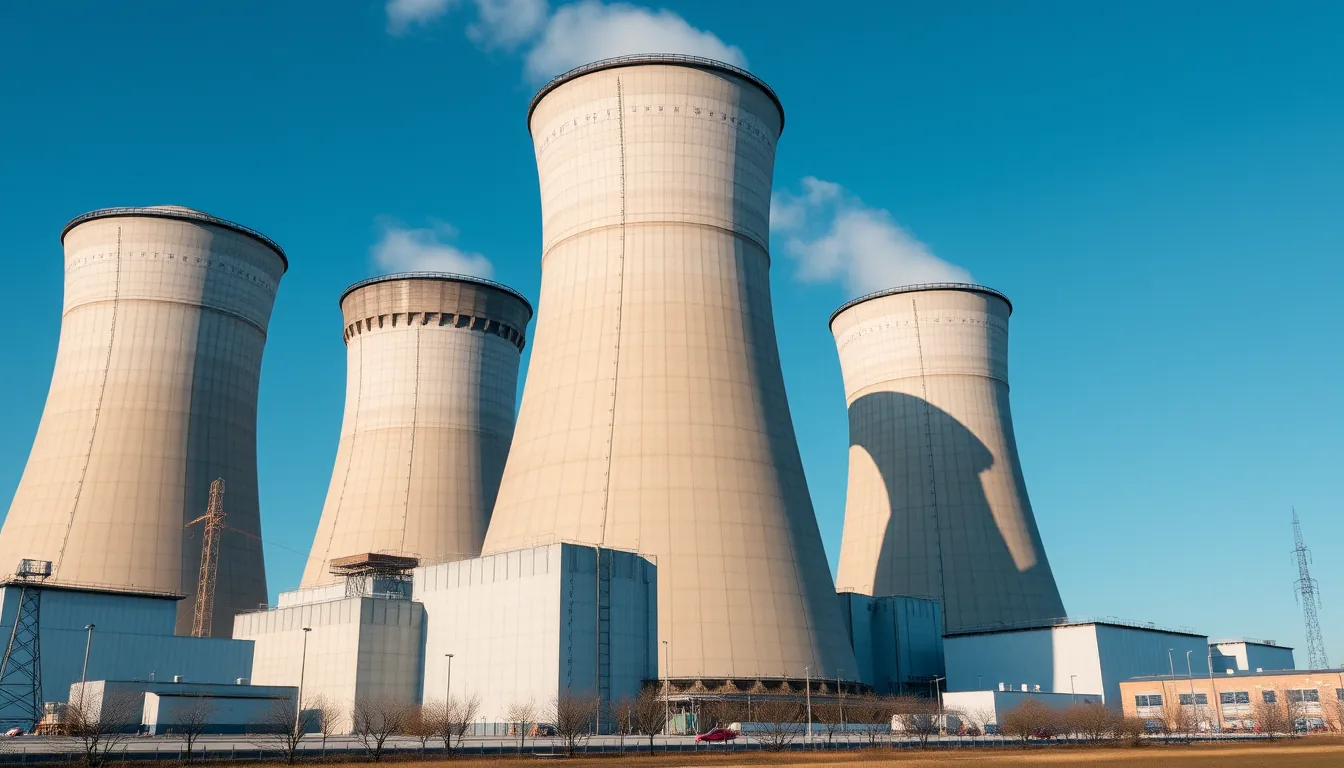
There is a persistent myth that efficiency gains will save us. The argument goes that as chips get “better,” they use less power per operation, thus offsetting the increase in total compute. This is a classic misunderstanding of the Jevons paradox. When we make compute more efficient, we don’t use the savings to lower the power bill or leave the lights off; we just run ten times more models. We are essentially building a bigger vacuum that sucks more power out of a grid that is already struggling to keep the hospitals running. We’ve traded the efficiency of the individual transistor for the inefficiency of the entire system. The friction is no longer in the software or the architecture, but in the copper wires and the cooling towers.
We are reaching a point where the limiting factor for AI isn’t the availability of H100s or the quality of the training set, but the local temperature of a substation in Frankfurt or Dublin. The cost of cooling a high-density rack during a record-breaking summer is becoming a non-trivial part of the OpEx. If we keep pushing for higher density without a total overhaul of how we distribute and cool power, we are just building a more expensive way to trigger a blackout. We are treating the electrical grid like an infinite API call, but the API is returning a 503 error because the hardware is physically overheating. Or maybe we’re just hoping the weather stays mild forever—a bold strategy for any engineer.
By Q4, we will see at least two major cloud providers announce regional service degradations specifically tied to thermal throttling of power infrastructure rather than software bugs or hardware failures. The era of pretending that the cloud is an ethereal, weightless entity is over. It is a collection of very hot boxes in very fragile buildings, and those buildings are currently sitting in a world that is getting hotter. We can optimize the weights and the biases all we want, but you cannot optimize away the second law of thermodynamics.
Physics always wins.