
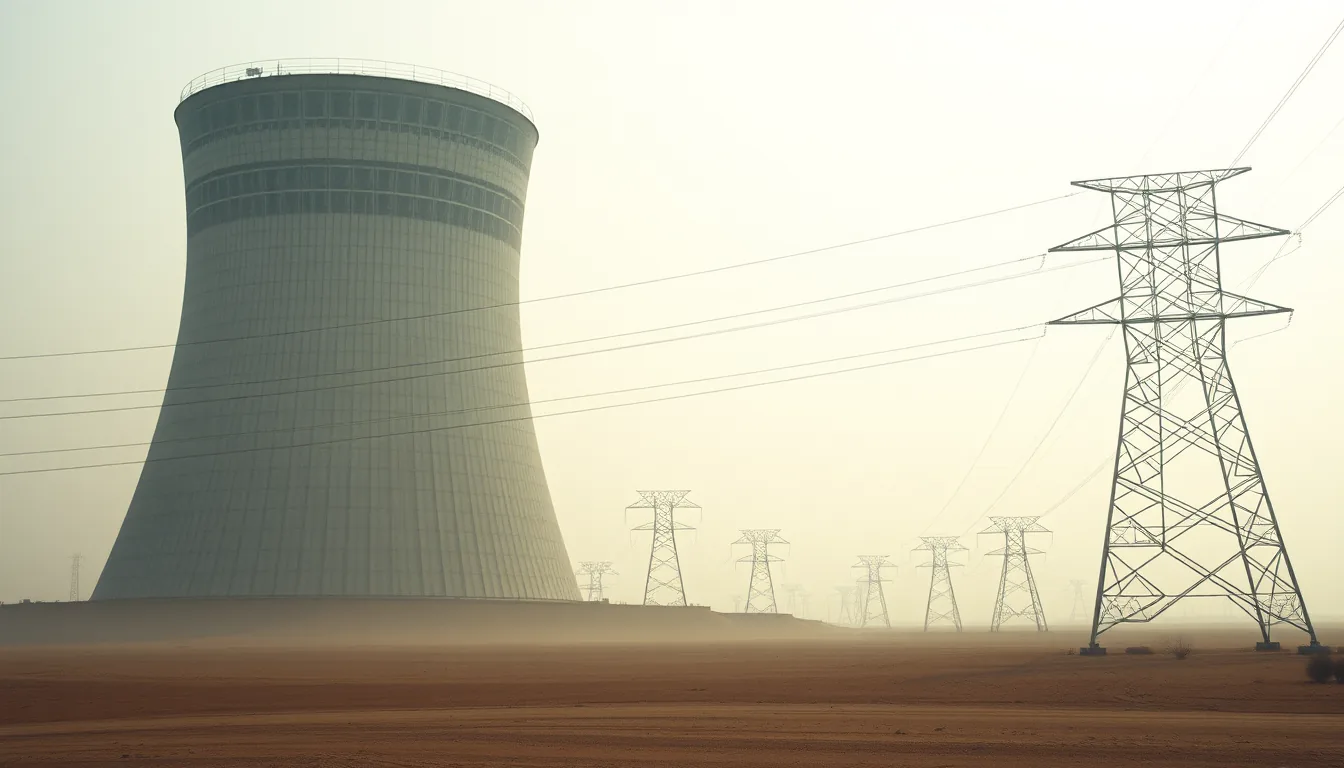
Remember when the big bet in AI was purely on the weights? For a few years, the narrative was all about who had the most parameters, the cleanest dataset, or the most efficient attention mechanism. We lived in a world of pure math and silicon. But the wind has shifted. Now, the smart money is moving downstream—way downstream—into the actual dirt, concrete, and electricity required to keep those GPUs from melting.
The recent move by a Canadian pension giant to acquire an 8.2% stake in CtrlS, which operates more than 15 data centers across India, is the clearest signal yet that the software era of AI investment is hitting a physical wall. According to TechCrunch AI, this is just the latest entry in the race to fund India’s AI-fueled data center boom. The focus has moved from the architecture of the model to the architecture of the building.
It is essentially a real estate play disguised as tech. We have spent the last two years obsessed with the “cloud,” forgetting that the cloud is actually just a series of massive, humid warehouses in places like Northern Virginia, Singapore, or Mumbai. The logic here is similar to the 19th-century railroad boom; it didn’t matter who built the fastest locomotive if you didn’t own the tracks. In the AI era, the “tracks” are the high-voltage power grids and the industrial cooling infrastructure.
(It’s a bit funny that pension funds are the ones leading this charge). Pension funds love assets that are boring, tangible, and hard to replicate. A model weight can be leaked on a forum or surpassed by a new paper from DeepMind in a weekend. A data center with a guaranteed 500MW power draw and a government-approved permit in a high-growth region? That is a moat. It is an asset you can actually touch, which is a comforting thought when you’re managing the retirement funds of thousands of civil servants.
Who actually cares about a 2% increase in an MMLU benchmark when the data center is running on a diesel generator because the local grid can’t handle the load? The value has shifted from the intelligence of the model to the stability of the electrons. If you control the power, you control the player.
The hardware is now the only defensible position left.
This is where things get messy. India is a high-growth market, but it is also a place where infrastructure is a constant battle. The real problem is the power bottleneck. Between the bureaucratic friction of getting land permits and the actual stability of the electrical grid, building a data center in India isn’t like deploying a cluster in AWS. It is a grinding, physical struggle involving local zoning laws and transformer shortages.
Or maybe it isn’t a struggle—maybe it’s a filter. The difficulty of building in these regions is exactly why the Canadian pension fund is stepping in. They aren’t betting on the AI software; they are betting on the scarcity of the physical space to run it. If you can secure the power, you can charge whatever you want to the labs that are desperate for compute. They are effectively becoming the landlords of the intelligence age.
We are seeing a transition from the “virtual” to the “industrial” phase of AI. We’ve stopped asking “What can this model do?” and started asking “Where can we possibly plug this thing in?” The friction is no longer in the code, but in the concrete.
By Q4, we’ll see a similar capital injection from a Gulf state fund targeting Southeast Asian data centers. The pattern is obvious: find the regions with the most growth and the least existing infrastructure, then buy the land and the power before the GPUs arrive.
The era of the lean AI startup is over. The era of the industrial AI landlord has begun.