Is the AI hype train finally heading for a cliff? Yes, but the crash won’t look like a bunch of Pets.com clones vanishing into the ether; it will look like a thousand empty data centers and a mountain of bad debt.
The dot-com bubble was largely a software and speculation play. When it burst, the “assets” were mostly lines of code and optimistic slide decks. You can’t really go bankrupt on a website that doesn’t work (unless you spent millions on Super Bowl ads), because the overhead was relatively light. But as NYU finance professor Aswath Damodaran points out in a piece via The Decoder, the AI boom is built on something much heavier: physical infrastructure.
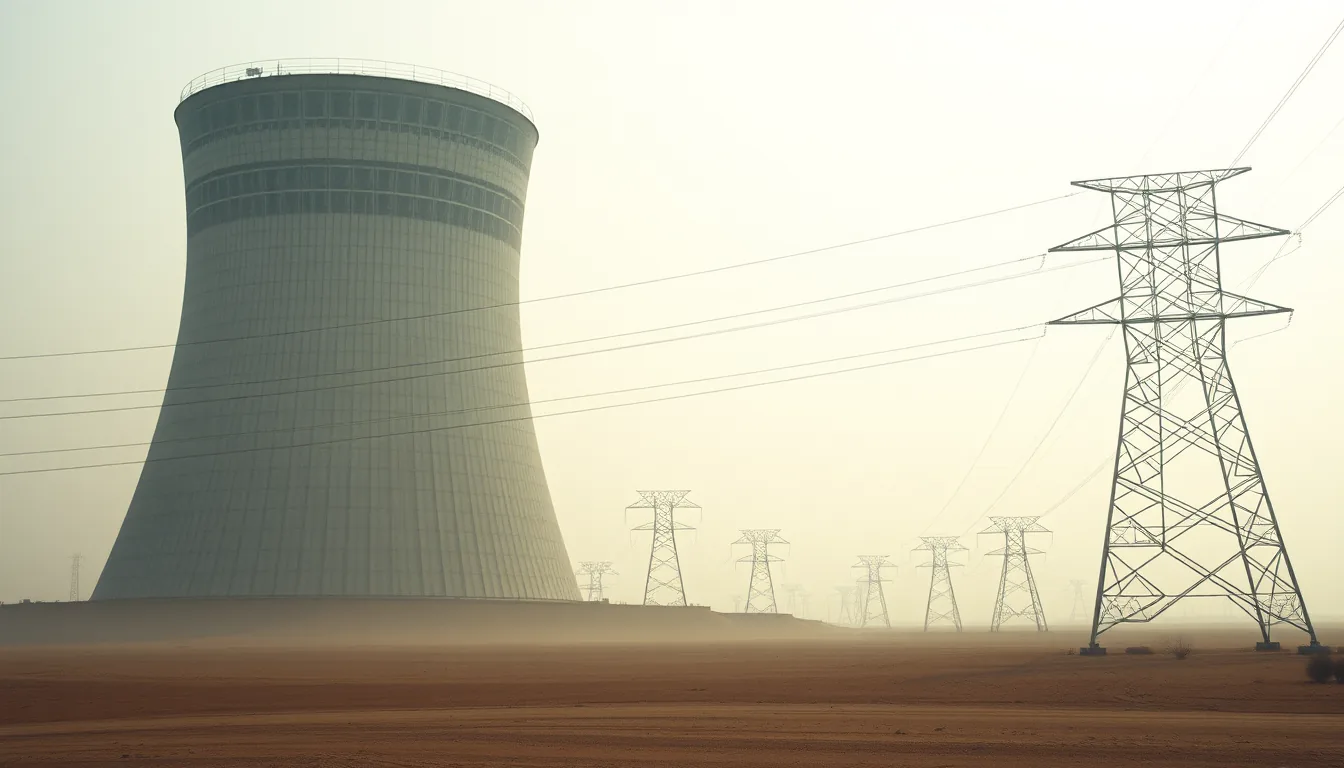
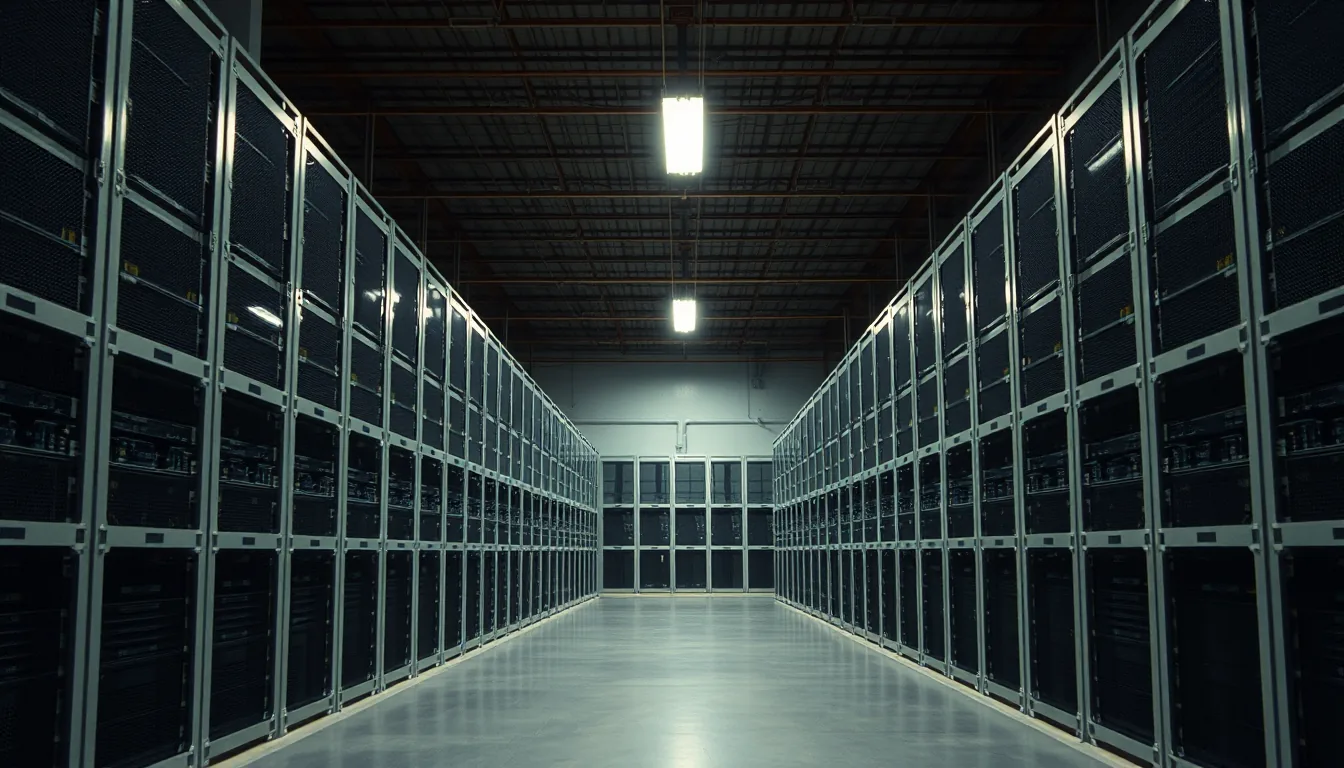
We aren’t just talking about a few servers in a closet. We are talking about massive power grids, specialized cooling systems, and hundreds of thousands of H100s. It is the difference between losing money on a failed app and losing money on a failed fleet of cruise ships built for a destination that might not actually exist. If the demand for LLM tokens doesn’t scale at the rate the hyperscalers expect, they are left holding the bag on billions of dollars of concrete and silicon (which is a lot of hardware to leave rotting).
The current build-out isn’t just fueled by cash on hand. A significant portion of this infrastructure is debt-financed. When you borrow billions to build a data center on the assumption that “AI agents” will suddenly automate every white-collar job by next Tuesday, you are playing a dangerous game with the balance sheet. The debt doesn’t vanish just because the hype does.
If the revenue doesn’t materialize, the creditors don’t care if the model can write a decent poem or summarize a PDF. They want their interest payments. The risk here is systemic because the debt is concentrated among a few massive players and the vendors who enable them. If the bubble pops, the contagion won’t just hit “AI startups”—it will hit the energy sector and the real estate firms that leased the land for these campuses.
This is where the logic falls apart. There is a massive, gaping hole between the Capex being spent on compute and the actual revenue being generated by AI products. We’ve seen this movie before, and usually, the “productivity gains” are touted as a way to justify the cost, but those gains are often theoretical or confined to a few niche use cases like coding assistants.
Who is actually going to pay enough for a chatbot to justify a fifty-billion-dollar data center? Most enterprises are still tinkering in the sandbox, terrified of data leakage or hallucinating legal briefs. The gap between “this is a cool demo” and “this justifies a 10x increase in my cloud spend” is a canyon. The math simply does not add up.
In a software crash, the code just sits on a disk. In a hardware crash, you have to liquidate. (I suspect the resale market for used H100s would be a bloodbath). If the big players suddenly stop ordering and start selling, the floor drops out for everyone. You end up with a surplus of specialized silicon that can’t be repurposed for anything other than running the very models that caused the crash.
The industry is betting that the “intelligence” coming out of these clusters will create new markets fast enough to pay for the clusters themselves. It’s a circular bet. By the end of Q3, the market will force a cap on H100 procurement from at least one of the top three cloud providers as the lack of immediate ROI becomes impossible to hide from shareholders.
It is a classic capital expenditure trap. We’ve built the roads before we knew if anyone wanted to drive the cars.