AI power consumption is so extreme that energy infrastructure has become the primary constraint on AI development. And the companies who solve this problem first will control the bottleneck that’s stopping everyone else from scaling.
The intersection of AI and energy isn’t a side project. It’s becoming the dominant factor in the entire industry’s trajectory, and the players who are already building dedicated power infrastructure are positioning themselves for enormous long-term advantage.
The Scale of the Problem
A large AI data center consumes roughly 100 megawatts of power. A hyperscale facility with multiple AI clusters can consume 500 megawatts or more. That’s comparable to a small city, and these facilities are being built at a rate that’s outpacing power grid expansion by a wide margin.
Power utilities in Virginia, Northern Virginia, Oregon, and Texas have all issued warnings that they cannot supply enough power to meet the demand from AI data center companies at the rates those companies require. The infrastructure gap is real and widening.
Nuclear Is Back
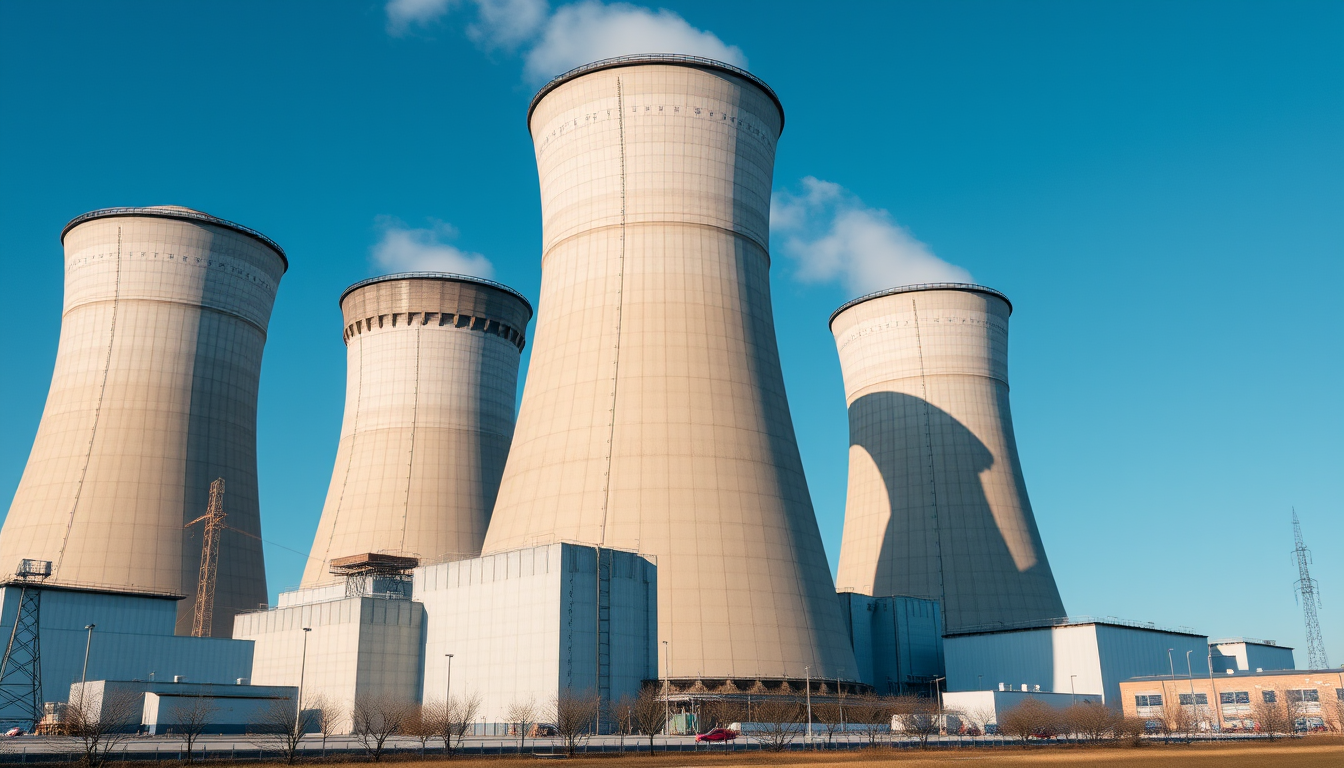
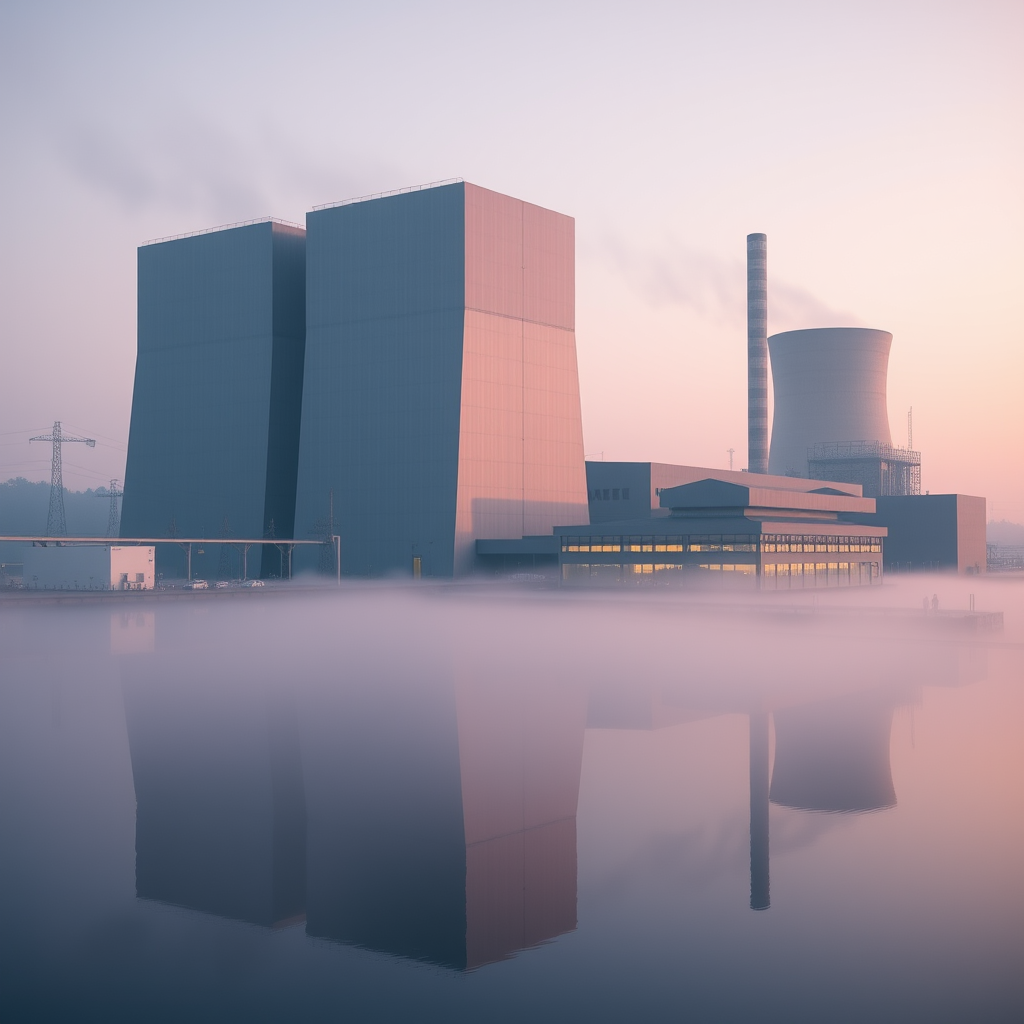
Nuclear power has gone from the industry’s least favorite energy source to its most sought-after solution. Microsoft’s Three Mile Island deal isn’t just a headline. It’s a signal. Companies that recognize they need baseload power that’s carbon-free are turning to nuclear because it’s the only option that delivers both massive continuous power and zero carbon emissions.
Small modular reactors (SMRs) from companies like Oklo, Kairos Power, and X-energy are specifically designed for data center applications. Small enough to deploy near data centers, scalable to match growth, and fast enough to build that they can at least partially keep pace with AI expansion.
The Strategic Advantage
Companies building their own power infrastructure have a competitive moat that’s far more valuable than any software advantage. If you own your power supply and your AI infrastructure, competitors who haven’t made the same infrastructure investments are locked into market-pricing for both their compute and their power.
The companies that solve the energy problem aren’t just AI companies anymore. They’re energy companies that got into AI. That’s a fundamentally different competitive position.