Remember when the world collectively stopped to watch a livestream of a few pandas eating bamboo?
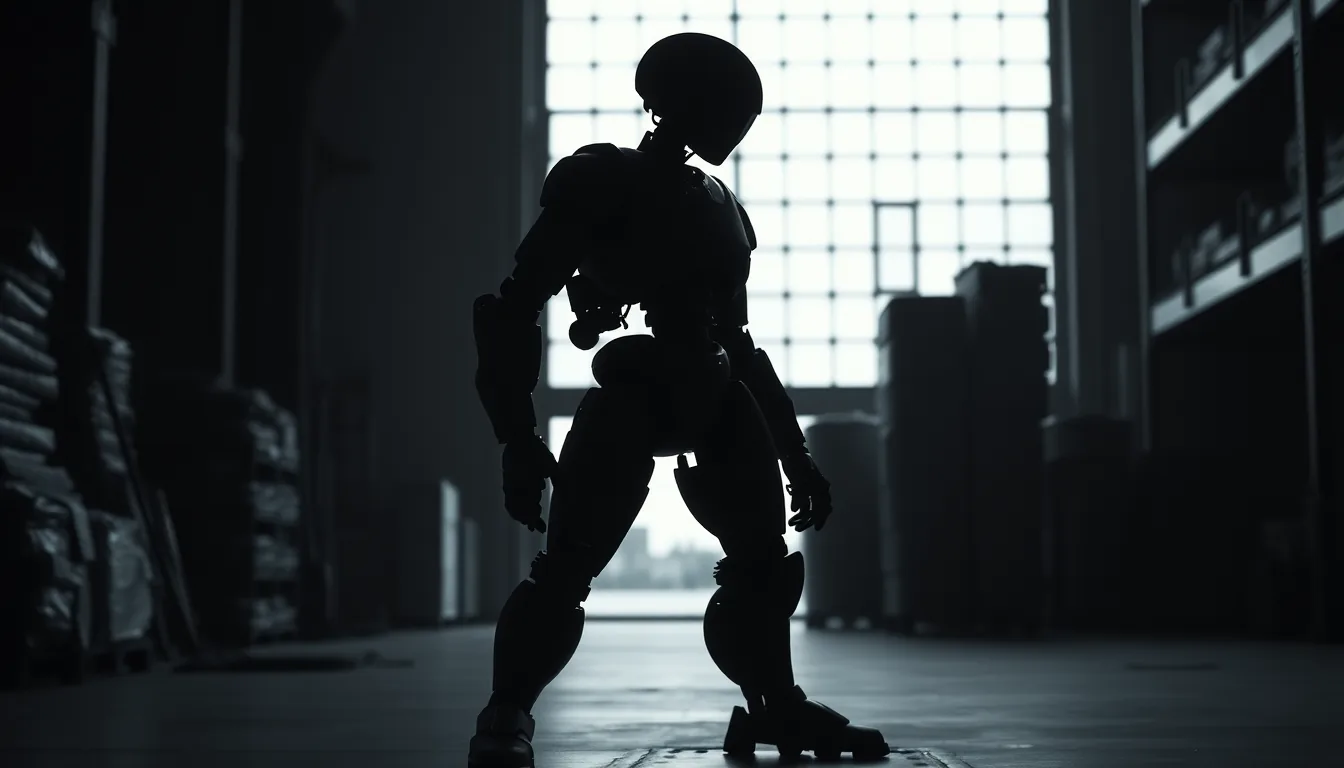
Figure AI is betting on that same primal impulse. They’ve turned their warehouse into a 24/7 reality show, broadcasting their humanoids moving boxes to anyone with a browser. As ArsTechnica reports, the internet is currently obsessed. It is the “lo-fi beats to study to” of the robotics world—ambient, slightly hypnotic, and fundamentally designed to make you forget that you’re looking at a marketing exercise.
(The stream latency is a bit of a joke, though).
Why are we watching this? It isn’t because we’ve all suddenly developed a deep interest in the kinematics of bipedal movement or the intricacies of torque control. It is because we have a biological glitch that makes us lean in when something looks human but doesn’t quite act like it. Figure is leaning into the human soft spot for humanoid robots, turning a technical demo into a form of digital ASMR. It is the same reason people love those overly complex mechanical watches; the utility is negligible compared to a cheap quartz clock, but the theater of the mechanism is the whole point. We aren’t watching a tool; we are watching a performance.
Do we actually care if the robot is “smart,” or do we just like the choreography? Most of what we see in these streams is the robot performing a handful of tasks over and over. It is a dance, not a cognitive process. If you put a slightly differently shaped box in the way or introduced a stray piece of packing tape on the floor, the whole thing would likely dissolve into a very expensive heap of aluminum and servos. We are confusing the ability to mimic a human gesture with the ability to solve a problem in an unstructured environment. The visual appeal of a bipedal frame masks the fact that the robot is essentially operating in a highly curated sandbox.
This is where we need to stop pretending this is a technical milestone and start calling it what it is: a vibe check. Figure AI isn’t selling a logistics solution yet; they are selling a feeling. They want us to feel that the humanoid era is inevitable so we stop asking about the unit economics or the mean time between failures. In a real warehouse, a robot that needs a technician every four hours to reset its balance or clear a sensor error is a liability, not an asset. The cost of ownership for these machines is likely astronomical, considering the power draw required to keep a heavy biped upright while moving freight.
The gap between a controlled livestream and a deployed fleet is a chasm. (I suspect the “intelligence” is heavily augmented by a team of engineers in a nearby room). We’ve seen this pattern before in the AI world—the “demo effect” where a polished video or a curated stream masks a fragile underlying system. The humanoid form factor is a marketing distraction. A wheeled robot with a stabilized arm is ten times more efficient for a warehouse because it doesn’t waste half its energy fighting gravity just to stay vertical, but it doesn’t get 24/7 livestreams because it doesn’t look like a movie prop. Figure is optimizing for watchability, not workability.
It’s an expensive screensaver.
I predict Figure AI will announce a formal partnership with a global logistics provider by Q4 to pivot the conversation from “look at the robot” to “look at the ROI.” Until then, the stream serves as a distraction from the hard reality of hardware scaling. We are essentially watching a very expensive puppet show and calling it the future of labor.