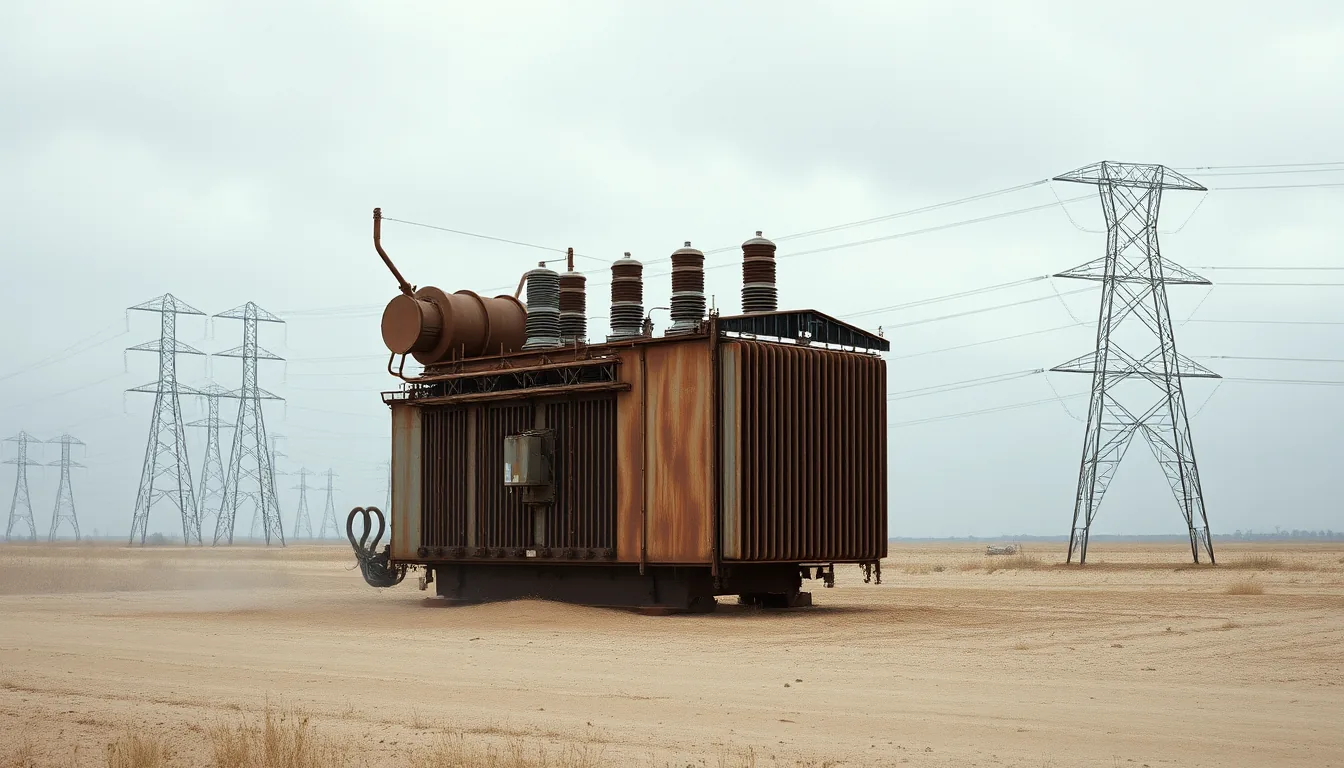
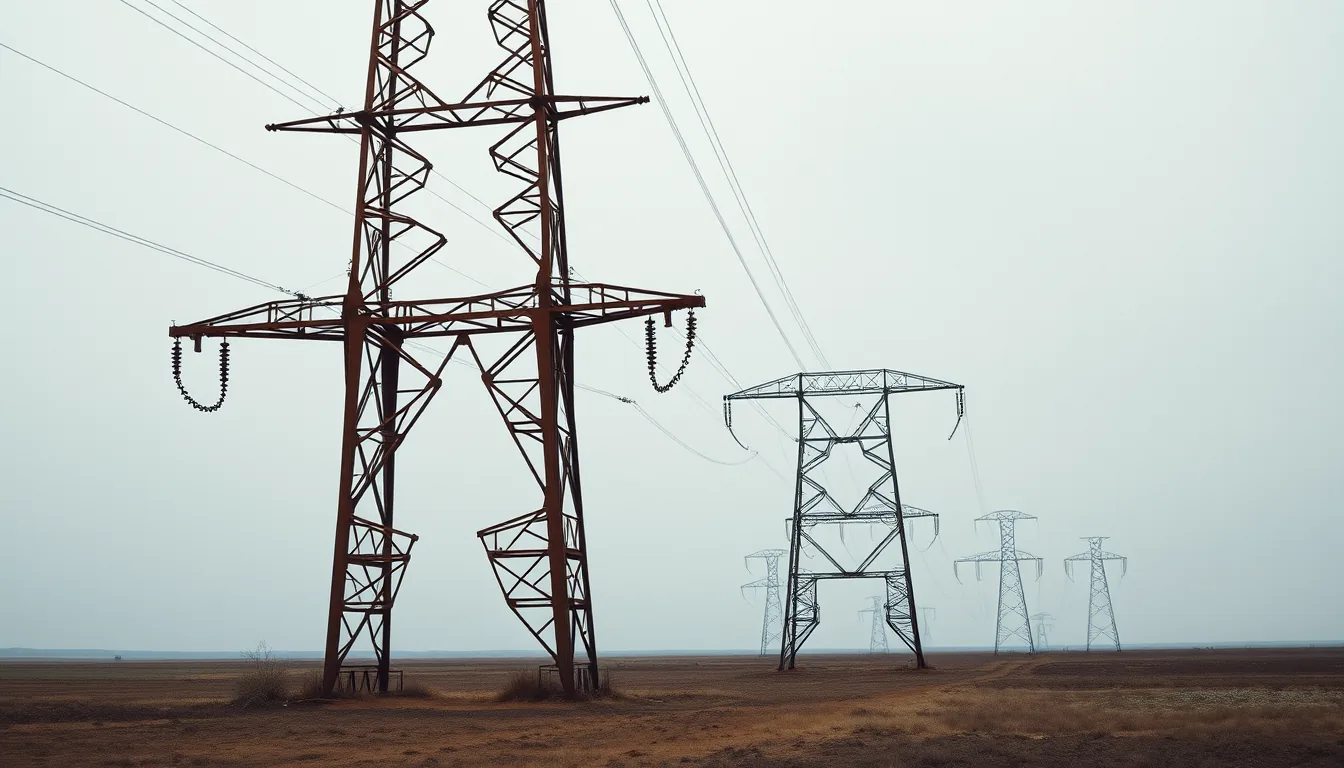
“The power line that could reshape New York’s grid is hitting snags.” It is a beautifully understated way of saying that the physical infrastructure of the modern world is fundamentally incapable of supporting the fantasies of the AI boom. We spend our days arguing over whether a model can reason or if it’s just a stochastic parrot, but we rarely talk about the fact that these “brains” require the electrical equivalent of a small city just to keep the lights on. The gap between the software ambitions and the hardware reality is becoming a canyon, and we are pretending the bridge is already built.
It is like trying to run a liquid-cooled, quad-GPU gaming rig on a fifty-year-old extension cord plugged into a wall outlet that sparks whenever you use the microwave. We are chasing AGI while our energy transmission systems are essentially relics of the mid-century. The MIT Tech Review piece highlights this friction, noting how New York had to import massive amounts of electricity just to survive a heat wave. If a few hot days in July can push a major metropolitan grid to the brink, adding a few dozen massive data centers to the mix isn’t just ambitious—it’s a recipe for a blackout. The physics of the grid don’t care about your venture capital funding or your fancy API.
Then there is the geopolitical theater. The US is currently leaning into threats and restrictions to choke Chinese AI development, focusing heavily on chip exports and compute access. It is a classic move (and the paperwork is probably a nightmare), but it misses the broader point. You can block the H100s all you want, but the real strategic edge isn’t in the silicon; it’s in the power. China has a different set of energy problems, but they also have a different appetite for ignoring environmental regulations and zoning laws to build out capacity. If the US wants to “win” an AI race, it cannot do so while its own energy grid is hitting snags over a few power lines in New York. It’s a strange form of blindness to believe you can win a war of attrition when your own supply lines are made of aging copper and hopeful prayers.
Why are we arguing about token limits and context windows when the hardware is literally starving for electrons? The industry has a habit of pretending that the cloud is some ethereal, weightless place. In reality, the cloud is a series of incredibly loud, incredibly hot warehouses that drink electricity like it’s free. We’ve seen this before with the early internet build-out—everyone focused on the browsers and the websites while the actual cabling was a mess of legacy copper and hopeful guesses. We are repeating the mistake, only this time the energy requirements are orders of magnitude higher. We’ve swapped the “information superhighway” for a “compute super-vacuum,” but we’re still using the same old roads.
The obsession with “compute” as the primary metric of power is a mistake. Compute is a commodity; energy is a hard limit. I suspect we are heading toward a hard ceiling much faster than the labs are admitting. By Q4 2026, we will see at least one major US data center project stalled not by chip shortages or zoning laws, but by a formal refusal from local utility boards to increase peak load because the grid simply cannot handle the draw. Or maybe not—perhaps we just keep building small nuclear reactors in the parking lots. (But let’s be honest: the regulatory hurdles for that are even worse than the power lines).
The irony is that the software is evolving at a speed that the physical world cannot mirror. We can shrink a model via quantization in a weekend, but we cannot shrink the amount of electricity a H100 needs to stay cool in a humid July. The friction is real, the cost is mounting, and the grid is tired. We are treating the power grid like a background utility rather than the primary bottleneck it has become.
The actual limit isn’t intelligence; it’s copper.