
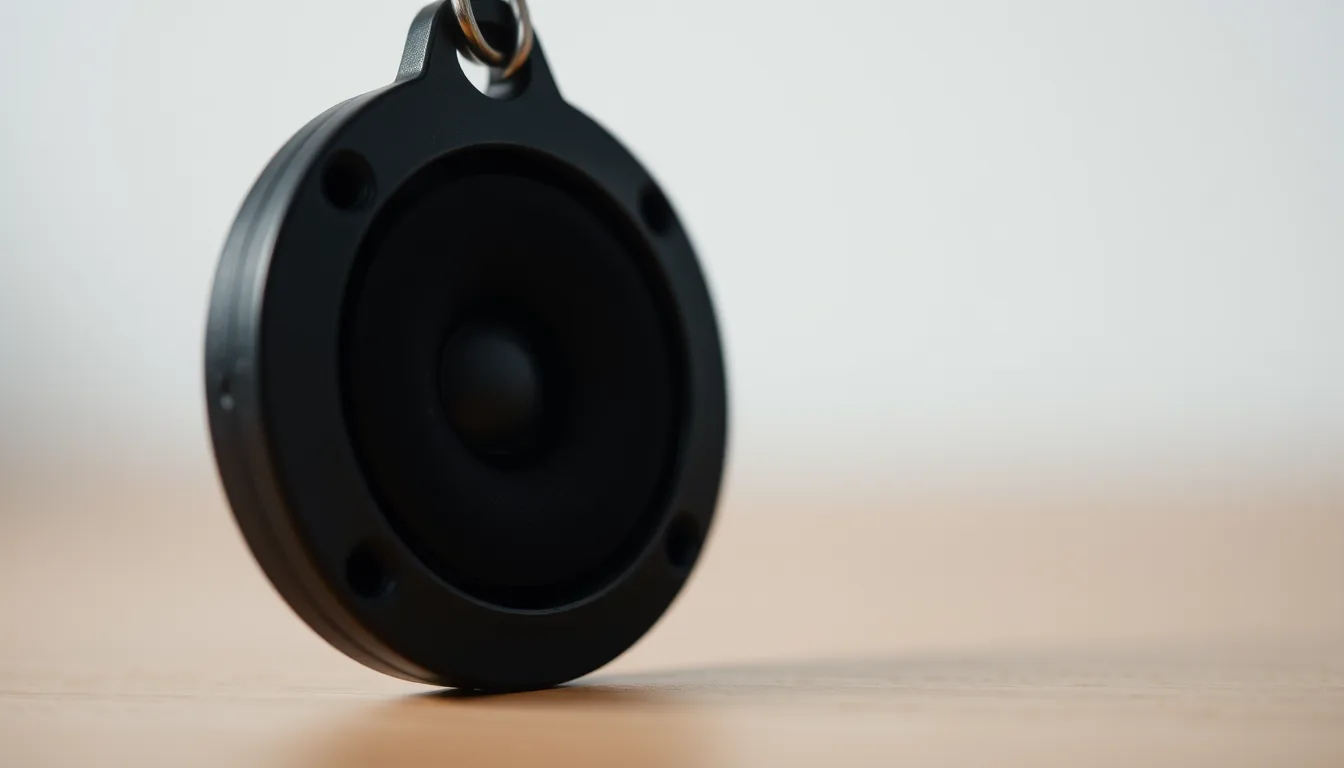
Do you actually want a piece of plastic hanging from your neck to tell you that you’re lonely? Sure—provided you’ve already exhausted every other possible way to avoid eye contact on the subway.
The sheer audacity of this relaunch is almost admirable. For those who missed the first act, the company behind Friend spent a significant amount of its early energy plastering the NYC subway with ads promoting artificial companionship. There is something deeply dystopian about seeing a billboard for a digital friend while you are physically surrounded by thousands of people in a transit tunnel. It is a masterclass in branding-first development, where the “vibe” is treated as the product and the actual utility is a secondary concern. When you lead with a marketing campaign that targets the fundamentally lonely, you aren’t selling a tool; you’re selling a bandage for a social wound.
Then we get to the hardware itself. According to The Verge, the main addition is a speaker. This turns the device from a creepy recording ornament into a talking pendant. But why? Does anyone actually want to be the person in a quiet coffee shop having a vocal argument with their necklace? The friction here isn’t just social; it’s technical. Voice-to-voice latency is the final boss of AI hardware (and usually, the boss wins). If there is a two-second lag between the AI hearing you and responding, it isn’t a “friend”—it’s just a very slow walkie-talkie. We’ve seen this struggle with every voice interface since the first iteration of Siri, yet Friend seems to believe that adding a speaker solves the fundamental problem of making a machine feel human.
The price hike to $199 is where the logic really falls apart. We are now in a weird pricing vacuum. It is too expensive to be an impulse buy for the “AI enthusiast” crowd, yet far too cheap to be considered a premium piece of wearable tech. It’s a middle-ground price point that serves no one. Is the company trying to recover the costs of those subway ads? Or maybe they realized that $99 didn’t cover the API costs of letting thousands of people vent to an LLM for hours on end. The token burn on a device that is constantly listening and processing audio is staggering. Unless they’ve found a way to run a highly capable model on a budget that would make a college student blush, the math doesn’t add up. Or maybe not—maybe they just think we’re gullible enough to pay a 100% premium for a tiny speaker.
We’ve seen this movie before. The AI hardware graveyard is already filling up with devices that promised to “liberate” us from our screens but ended up being glorified Bluetooth microphones with a subscription fee. Between the Rabbit R1 and the Humane Pin, the industry has already proven that consumers don’t want a second, worse computer hanging around their neck. Why wear a pendant when you can just put an earbud in? The answer is usually “aesthetic,” but the aesthetic here is “early 2000s novelty gadget.” It’s an attempt to solve a social problem with a hardware patch, which is like trying to fix a broken relationship by buying a new toaster. By December, the company will be pivoting to a software-only subscription model once the hardware margins collapse.
A very expensive way to feel slightly less alone while staring at a screen.