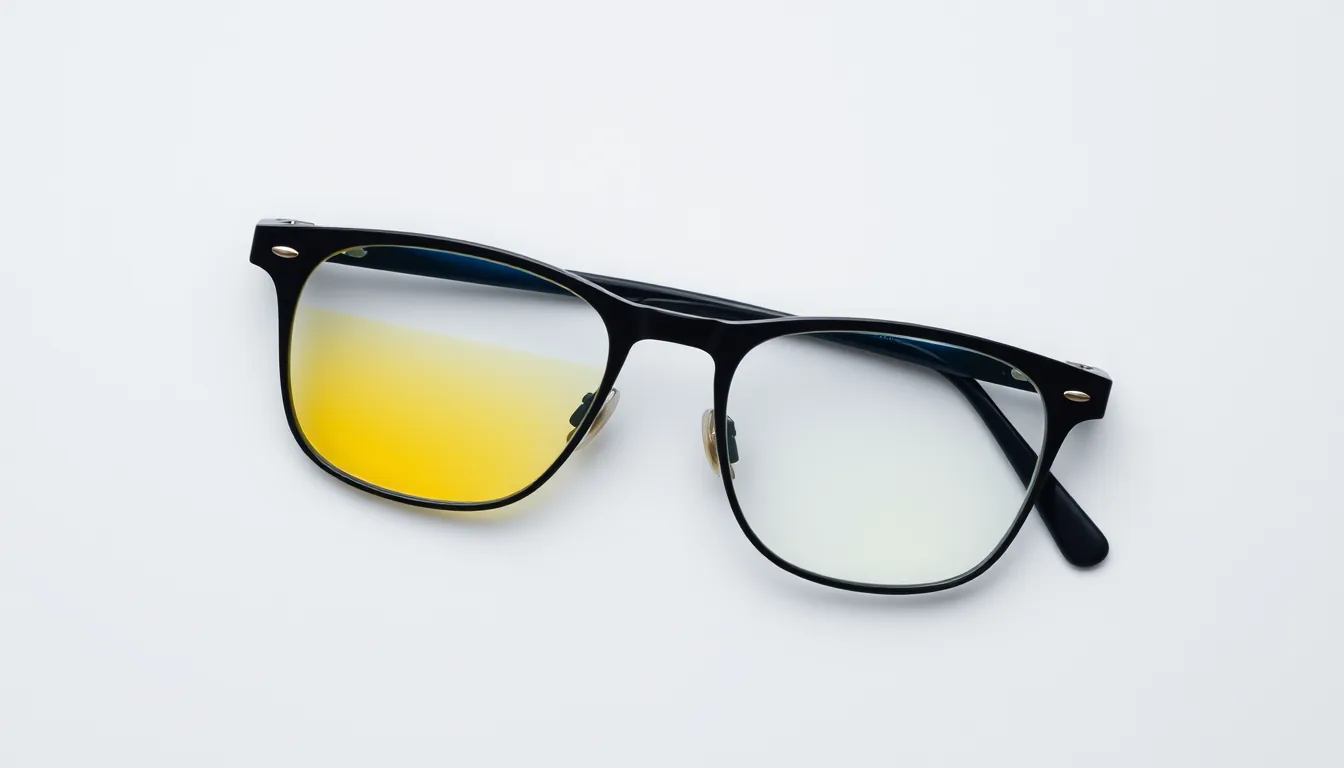
Zero. That is the current number of AI glasses on the market that actually look like normal glasses while providing a usable visual interface. We have plenty of “smart” frames that are essentially just Bluetooth headsets with a camera glued to the bridge, but the moment you try to put a display in front of the human eye, the form factor usually collapses into something resembling a scuba mask or a prop from a low-budget 80s sci-fi flick.
The problem isn’t the AI. We have the LLMs, the voice-to-text is mostly solved, and the latency is dropping. The problem is physics. Specifically, the physics of getting a clear image from a tiny projector into a human pupil without requiring the wearer to look like a cyborg. This is where LetinAR comes in.
The South Korean startup is focusing on the one piece of the puzzle that usually breaks: the optics. They are producing lenses the size of a thumbnail—roughly 15 millimeters of glass and plastic—that aim to be the optical backbone of the AI glasses era. According to TechCrunch, the goal is to create a system that allows for a wide field of view without the bulk of traditional waveguides.
Most of us have seen the “AI glasses” cycle repeat every two years. A company claims they have a product that replaces the phone, it looks slightly too big, the battery lasts four hours, and then it vanishes into a warehouse of unsold inventory. The bottleneck has always been the optics. If the lens is too thick, the glasses are ugly. If the lens is too thin, the image is a blurry mess that gives the user a migraine after ten minutes.
Trying to solve this is like trying to fit a cinema screen into a pair of Ray-Bans. You are fighting diffraction and focal lengths in a space where every millimeter is a battle. (And probably at a price point that hurts).
Here is the take that most software engineers hate: the AI part of “AI glasses” is the easy part. Wrapping a wrapper around an API is trivial. The real victory in this space will not be won by the company with the best agentic workflow or the lowest token cost. It will be won by whoever solves the hardware bottleneck.
If you can’t make the hardware invisible, the product is dead on arrival. We saw this with Google Glass—though that was as much a social failure as a technical one. People don’t want to be “Glassholes,” but they also don’t want to wear a computer on their face that makes them look like they’re about to enter a VR simulation of a laundromat.
The industry has spent too long obsessing over the “intelligence” of these devices while ignoring the delivery mechanism. A brilliant AI is useless if the display is so dim you have to stand in a dark room to see it, or if the glasses weigh so much they slide off your nose the moment you break a sweat. LetinAR is betting that the money isn’t in the brand of the glasses, but in the components inside them. They aren’t trying to build the next iPhone of the face; they are trying to be the ARM of the face.
Hardware is the only thing that actually matters here.
Whether LetinAR can actually scale this production is another question. Miniaturizing a lens in a lab is one thing; pumping out ten million of them with a 0.1% defect rate is an entirely different beast. One speck of dust in the coating and the whole unit is a paperweight. Still, the pivot toward the component level is the only strategic move that makes sense.
By Q4 2026, we will see these specific optics integrated into at least one major OEM’s consumer-facing product. If they don’t, it means the physics of the “thumbnail lens” simply isn’t enough to overcome the aesthetic demands of the average consumer. But given the current desperation of big tech to find a post-smartphone form factor, the appetite for a viable lens is practically infinite.